Can Sydney's Ports Turn Australia into a Logistics Powerhouse?

Sydney's Port Infrastructure
Key Features and Capabilities
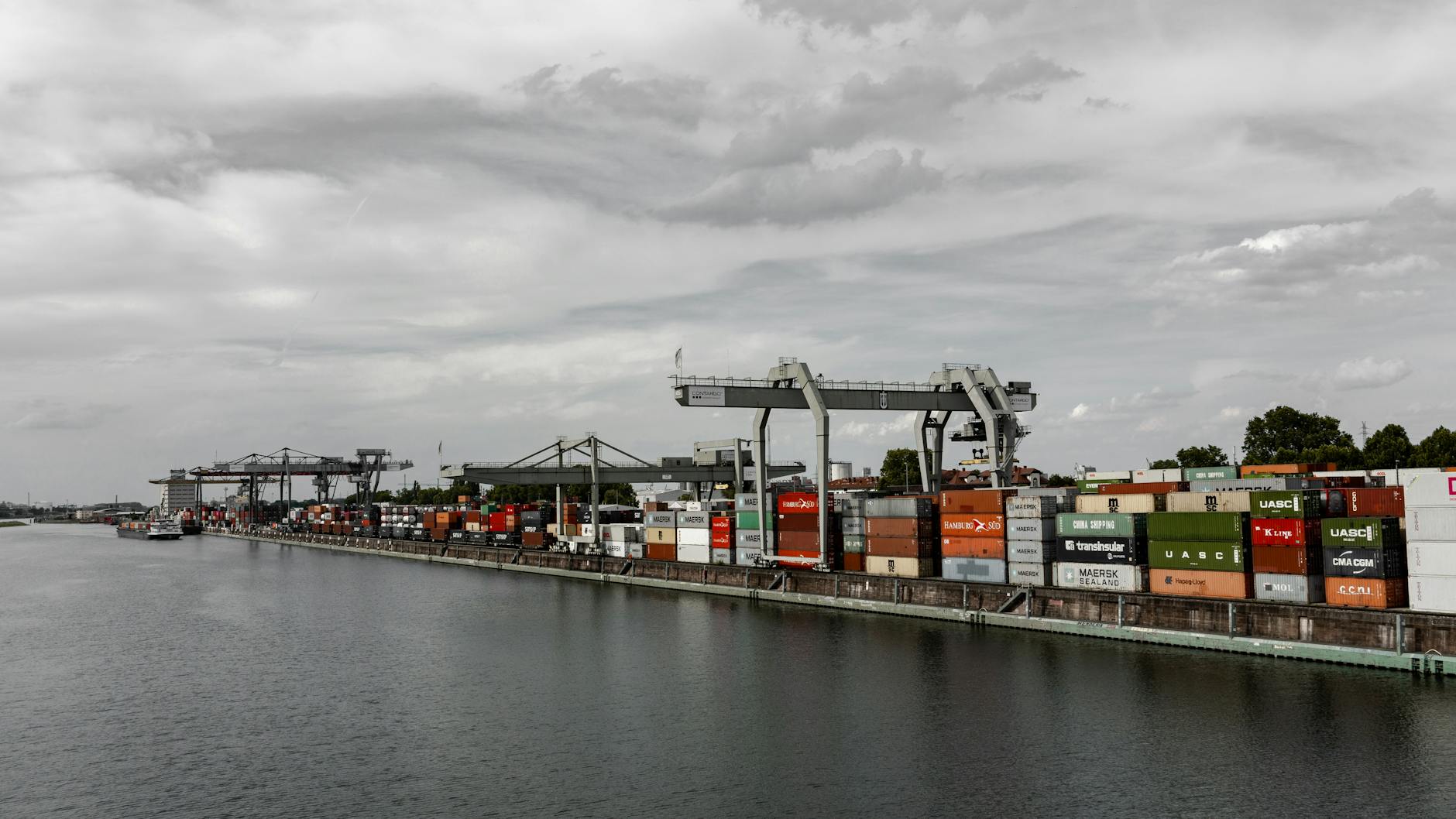
In the heart of Sydney, the Port of Sydney stands as a beacon for logistics excellence, embodying both efficiency and innovation. This hub is crucial for operations across Australia, providing essential services that streamline supply chain processes. It hosts an array of sophisticated facilities, from automated cranes to advanced tracking systems, facilitating effective cargo handling at every stage. These features enable third party logistics providers to enhance their services by optimising throughput and minimising delays, ensuring goods move smoothly from port to consumer.
Recent Upgrades and Expansions
The port has recently undergone significant upgrades, designed to bolster its role in Australia's logistics network. This includes expanding its container handling capacity, which directly impacts the efficiency of 3PL logistics services. With new innovations in place, the port can manage greater cargo volumes while reducing turnaround times. As a result, businesses can expect better reliability and speed, crucial for meeting modern supply chain demands.
Sustainability Measures in Place
Sustainability lies at the heart of Sydney's Port operations, with various measures implemented to reduce the environmental impact. These initiatives include using eco-friendly fuels and waste reduction practices, aligning with the growing importance of sustainable business models. For logistics professionals committed to ethical standards, the port provides a valuable model for integrating environmental responsibility into logistics operations. Emphasising these sustainable practices helps businesses meet both consumer expectations and regulatory requirements while contributing to broader environmental goals.
Logistics Challenges
Impact of Traffic Congestion
In Sydney, the bustling metropolis surrounding the Port of Sydney is no stranger to traffic congestion, affecting logistics operations in numerous ways. As supply chain professionals, we're constantly faced with the challenge of efficiently navigating this traffic to ensure that shipments arrive on time. Congestion not only increases delivery times, but also can lead to higher costs due to delays and inefficiencies. Collaboration with local authorities for traffic management solutions is crucial to mitigate these disruptions. At Darling Harbour, events and an influx of tourists can compound these issues, requiring us to be even more strategic in our logistics planning.
Environmental Concerns
Sustainability is no longer optional. In the logistics sector, we must balance operational efficiency with environmental responsibility. The challenges are significant, with the need to reduce emissions and minimise the carbon footprint from 3PL operations being top priorities. Innovations such as electric delivery vehicles and alternative fuels are becoming critical to align with eco-friendly objectives. Every strategy we adopt must consider how to lower environmental impact without compromising on speed or reliability, a non-negotiable aspect in today’s supply chain management.
Regulatory Hurdles
Navigating regulatory hurdles is part and parcel of operating within a dynamic logistics landscape. From local zoning laws to national environmental regulations, compliance is paramount. Staying updated on these regulations can prevent costly fines and disruptions. Understanding how regulations affect pick packing, for instance, can streamline operations and ensure legal compliance. Partnering with experienced logistics consultants and regularly attending industry forums, like those at the International Convention Centre Sydney, can provide insights into overcoming these hurdles, ensuring your operations remain smooth and lawful.
Potential Benefits
Eco-Friendly Shipping Opportunities
In the vibrant arena of Sydney's logistics industry, the shift towards eco-friendly shipping presents a transformative opportunity. Recognising the advancements made at the Port of Sydney, there's a palpable drive toward reducing emissions and optimising routes, creating greener shipping alternatives. These efforts not only alleviate environmental concerns but also offer businesses a chance to lean into sustainable practices, aligning with the growing demand for 3PL warehouse solutions that prioritise the environment.
Economic Growth and Job Creation
The logistics sector is a powerhouse for economic growth and job creation within the region. With the enhancement of infrastructure at logistics hubs like Darling Harbour, there's an increasing flow of goods and services that boosts local employment. These developments open up a plethora of career opportunities, ranging from warehouse management to technological innovation roles. As a result, businesses in the logistics field can enjoy expanded economic prospects while contributing to community vitality.
Enhancing Export Efficiency
The strategic expansions at the Port of Sydney have significantly enhanced export efficiency, streamlining processes that traditionally bogged down operations. The integration of advanced technology ensures quicker turnaround times and the swift movement of goods, which significantly benefits supply chain stakeholders. By seizing these enhancements, businesses can vastly improve their operational efficiency, leading to increased competitiveness in global markets. These opportunities are especially valuable for logistics professionals keen on driving their operations forward.
Innovative Strategies
Smart Technology Implementation
In the logistics landscape of Sydney, there's a noticeable shift toward smart technology. This evolution is driven by the need to optimise operations and reduce turnaround times. By employing technologies such as Internet of Things (IoT) devices, businesses can enhance their order fulfilment processes through real-time tracking and automation. These advancements allow seamless communication between different stages of the supply chain, thus enabling more efficient inventory management. As seen in the dynamic supply chain innovations at Darling Harbour, integrating such technologies ensures that disruptions are kept to a minimum and customer satisfaction is maintained.
Green Energy Initiatives
As a city committed to sustainability, Sydney is incorporating various green energy initiatives within its logistics operations. This includes transitioning to electric fleets and utilising renewable energy sources in warehouses. These efforts not only align with eco-friendly goals but also reduce operating costs in the long run. For logistics professionals, adopting these strategies can lead to a significant competitive advantage, as consumers increasingly favour businesses that prioritise environmental responsibility.
Collaboration with Local Businesses
Another key strategy involves fostering collaboration among local businesses, particularly small and medium enterprises (SMEs), to streamline logistics processes. Forming strategic partnerships facilitates resource sharing and can result in cost efficiencies. This collaborative approach is further highlighted during logistics conferences at the International Convention Centre Sydney, where professionals exchange insights and propose solutions to shared challenges. Embracing collaboration ensures that businesses can scale efficiently while adhering to sustainable and innovative practices, thus positioning Sydney as a leading logistics hub.
Empowering Logistics Experts
Exploring Partnership Possibilities
In the logistics sphere, forming strategic alliances is crucial. At the Port of Sydney, cultivating relationships with fellow professionals can unlock new avenues for efficiency. By partnering with local shipping providers, businesses can tap into cheap freight shipping options that enhance cost-effectiveness. Deliberate engagement with regional carriers not only fortifies your network but also facilitates a smoother supply chain experience. These collaborations often provide the flexibility needed to navigate the ever-evolving landscape of logistics challenges seamlessly.
Aligning Business Operations
To thrive in this dynamic environment, aligning business operations with the latest innovations is essential. By incorporating the advanced systems employed at Darling Harbour into your framework, operational efficiency can be maximised. Such alignment ensures your operations remain competitive and agile, meeting the demands of both the present and future. Implementing logistics solutions australia specific to Sydney's unique market positions helps businesses stay ahead, fostering a more integrative approach across the supply chain.
Leveraging Sustainable Logistics Solutions
Sustainability is rapidly becoming the bedrock of modern logistics. Leveraging eco-friendly initiatives is not just a trend but a necessity. Sydney's dedication to sustainable practices provides a fertile ground for adopting greener technologies. By focusing on reducing carbon footprints through practices showcased at the International Convention Centre Sydney, there's an opportunity to align with global sustainability goals. Initiating projects centred around green logistics not only helps the environment but also bolsters brand reputation, making it a win-win for businesses operating within the local landscape.